Commercial Waste Removal in Leyton
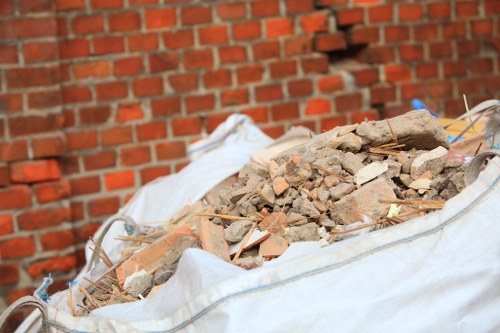
Commercial waste removal in Leyton needs a service that handles mixed business rubbish with care, sensible sorting and clear collection arrangements. We provide waste removal support for workplaces that need regular clear-outs, one-off bulky item collection or help with accumulated refuse that should not stay on site. The aim is straightforward: keep commercial premises usable, reduce clutter around trading space and move waste into the correct disposal stream without unnecessary disruption.
Our service can cover office refuse, packaging, shelving, fixtures, general commercial junk and other non-hazardous items that businesses often build up over time. Where waste is suitable for recovery, we look to separate reusable and recyclable materials before disposal. That approach helps customers keep site clearance practical while avoiding the confusion that can come from trying to manage everything in-house.
For a broader look at related business waste options, you can review our business waste removal service and see how it fits with different premises, volumes and access arrangements. If you already know the type of waste you need moving, use the details on this page to judge the scope and then ask for a quotation in plain terms. Keep reading if you want the service broken into the main kinds of commercial work we handle.
Office and workplace clearances
Offices, studios and shared workspaces usually need waste removal that is careful around desks, cabling, archived paperwork, fittings and everyday equipment. We can help clear non-sensitive items such as worn furniture, redundant storage, packaging, broken chairs and general office clutter. The main aim is to leave circulation space safer and easier to use while keeping the clearance organised from start to finish. That makes it easier to plan a tidy handover, a refit or simply a calmer working environment.
When business waste includes furniture or equipment, the handling often depends on size, condition and whether the item can be separated for reuse or recycling. Our office clearance work is suited to customers who want these items moved without having to sort every piece into multiple piles first. A well-run clearance also helps where a room has become difficult to use because items have collected around walls, cupboards or meeting areas. If you need that kind of support, a short description of the waste is usually enough to start the quotation process.
What this type of removal can include
- Desks, chairs and storage units that are no longer needed
- Packaging, bagged refuse and mixed non-confidential office waste
- Reception furniture, display pieces and redundant fittings
- Loose items from cupboards, back rooms and staff areas
Business furniture and equipment disposal
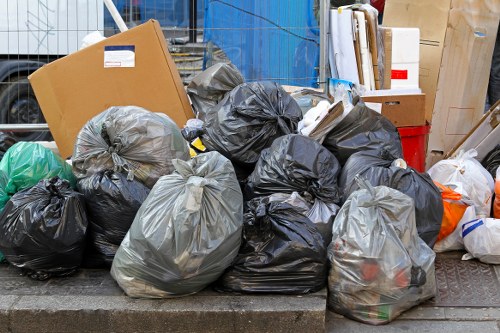
Furniture disposal for business premises is often about more than simple lifting. Items need to be assessed for condition, size and handling method, especially where they must be taken from upper floors, shared corridors or compact rooms. We deal with items such as desks, cabinets, shelving, sofas, reception seating and similar fixtures that can no longer stay in use. The focus is on removing them efficiently and directing them to the most appropriate disposal route.
Some commercial items are best recycled, while others are only suitable for disposal after collection. This section of the service is useful when a business is changing its layout, replacing older fittings or clearing furniture that no longer matches how the premises are used. The important part is that the waste leaves the building cleanly and in the right order, rather than sitting in corridors or blocking access. If you are comparing several types of clearance, furniture and equipment removal is often one of the most visible parts of the work.
For items such as redundant seating or broken household-style fixtures used in commercial settings, our furniture disposal page gives a useful route into the service. If the waste includes bulkier pieces from homes as well as workplaces, the related furniture clearance service may also be relevant. These pages help you match the right kind of removal to the items you have, so your request for a quote can be more precise.
Mixed rubbish, packaging and general junk
Commercial premises rarely produce only one type of waste. A shop, storage room or back office might have a mixture of cardboard, shrink wrap, damaged stock, broken fittings, bagged rubbish and awkward leftover materials. We can remove mixed non-hazardous commercial waste when a business needs a single clear-out rather than a series of separate collections. That keeps the process simple and avoids the delay of trying to manage each material in isolation.
Where practical, waste should be separated so recyclable material does not end up mixed with general rubbish unnecessarily. This is particularly useful when packaging builds up after deliveries, when shelves are being replaced or when stock areas need to be reset. Mixed waste removal is often chosen when a site needs to be made presentable quickly and with as little disruption as possible. For customers, the main decision is usually how much waste needs moving and whether any bulky items should be listed separately in the enquiry.
If the items include appliance-type waste, our fridge and appliance removal page is worth checking for a more specific match. For smaller domestic-style items used in commercial settings, the mattress and sofa disposal page may also help define the job. Clear item descriptions make quotations more accurate and avoid confusion about what should be collected on the day.
Clearances for premises of different types
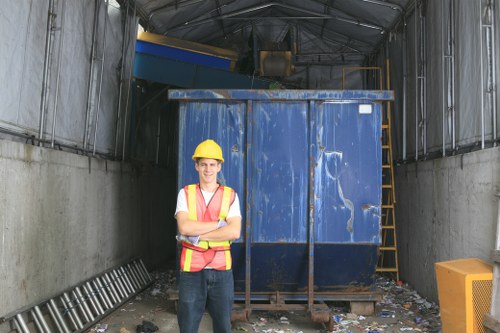
Businesses come in many forms, and the waste they generate can differ sharply from one site to another. A retail unit may need packaging and display fixtures removed, while a storage room may contain mixed surplus stock, broken shelving and dated equipment. We handle commercial waste removal with that variety in mind, so the service can be shaped around the premises rather than forcing everything into one rigid pattern. The result is a clearance that reflects the actual contents and layout of the site.
Some jobs are concentrated in one area, such as a stockroom, while others spread across several rooms or floors. In that situation, planning matters because the order of removal can affect how easy it is to keep routes open and items separated. If you already know the main waste categories, it helps to group them by room or by type before asking for a quotation. That gives a clearer picture of access needs and the likely scope of the job, especially where bulky pieces have to be moved first.
When business waste overlaps with household-style clutter from mixed premises, our home clearance and house clearance pages may help if those items are being handled separately elsewhere. For tighter upper-level spaces, the loft clearance service can also be relevant. These are useful reference points when the waste mix is not limited to one straightforward category.
Sorting, recycling and disposal routes
Responsible commercial waste removal depends on knowing which items can be separated, which should be recycled and which need disposal in a controlled route. Packaging, some furniture parts, metal fixtures and certain reusable materials may be suitable for recovery depending on condition and composition. We work to keep this sorting practical rather than complicated, so customers are not left making every technical decision themselves. That makes the service useful for routine clear-outs and for one-off jobs where the contents have built up over time.
Businesses often want a straightforward answer to what happens after collection. The honest answer is that it depends on the type of waste, its condition and whether it can be divided into cleaner streams. A sensible approach reduces unnecessary landfill use and supports tidier site management. It also helps where items are awkwardly mixed together, because the collection can be planned around the waste actually present rather than around an idealised list. If you are unsure how to describe an item, it is better to name it plainly than to guess at a category.
Useful information for a quotation
- What type of business waste needs collecting
- How many rooms, areas or floors are involved
- Whether any items are especially bulky or awkward
- Whether the waste is already grouped, bagged or stacked
Pricing factors and quotation details

Quotation work for commercial waste removal is usually shaped by the amount of waste, the type of material, the ease of access and whether items need extra handling to leave the building. A collection from a ground-floor storeroom may be simpler than a clearance from upper floors, narrow stairwells or shared entrances. If items are heavy, oversized or mixed with loose rubbish, that can also affect the time needed. A clear description of the job helps keep the quotation grounded in the actual work required.
It is helpful to mention whether the waste is concentrated in one room or spread around the premises, and whether the collection needs to fit around trading hours or other site activity. This does not mean the job has to be fully planned in advance. It simply gives enough detail for the service to be matched properly to the premises. If you are unsure what to include, a few plain notes about the items, location and approximate volume are usually enough to begin.
When you are ready to request a quote, the simplest next step is to list the main items and the part of the premises where they are stored. You can also use the related pricing and quotes page if you want to compare how requests are handled. Send a brief description, keep the list honest and practical, and the response can focus on the right kind of removal rather than guesswork.
Project planning and access on site
Commercial waste removal often runs more smoothly when the collection area is easy to reach and the items are ready to identify. That might mean keeping a corridor clear, grouping smaller objects together or separating items that need different handling. None of this has to be overcomplicated; the point is simply to reduce delays and make the loading process more orderly. In busy premises, even modest preparation can make a noticeable difference to how the collection fits into the day.
If the waste comes from several rooms, it is sensible to note which areas are priority spaces and which can wait until later in the collection. For premises with restricted access, it helps to mention gates, shared entrances, lifts or narrow approaches so the work can be considered properly. Good access information is not a requirement for every job, but it does help avoid misunderstandings. Keep the description practical and focused on the actual conditions inside or around the building.
For customers who want to arrange a collection without unnecessary back-and-forth, the book online page may be a useful starting point if you prefer to begin with a straightforward request. If you would rather discuss your items first, make a note of the waste type, the location and whether any pieces need special handling before sending the enquiry. The clearer the description, the easier it is to match the service to the job.
About Leyton
Leyton is an east London district in the London Borough of Waltham Forest, shaped by layers of suburban growth, industrial change and transport development. It lies between Stratford and Walthamstow and is closely associated with the expansion of east London during the nineteenth and twentieth centuries. The area includes residential streets, older terraces, post-war housing and commercial corridors, with Leyton High Road forming one of the most recognisable routes through the district. Leyton Underground station on the Central line gives the area a strong link into central London, while nearby overground and road connections reinforce its role as part of the wider inner-east London pattern.
Commercial waste help for routine and one-off clearances

Some customers need commercial waste removal as part of a one-time office move, refurbishment or stock reset. Others want a dependable way to deal with recurring build-up in rooms that collect packaging, broken items or redundant fittings. We can support both situations by focusing on the actual waste rather than forcing the job into a one-size-fits-all pattern. That means the service can stay practical whether the task is light or more involved, as long as the items are suitable for collection.
The most useful approach is to keep the enquiry concise but complete. Mention the type of premises, the main waste categories and any access points that could affect removal. If you have mixed items, a rough room-by-room note is often enough. You do not need a long explanation; you just need enough detail for the collection to be matched properly. Plain descriptions work better than guesswork, and they make it easier to decide whether the job is best treated as a standard clearance or something more specific.
If you are ready to move forward, please request a quotation and describe the waste you need removed from your Leyton premises. For more detail on the types of material we can handle, you can also review the waste removal page and then make your enquiry using the most relevant service description. Ask for a quote today.