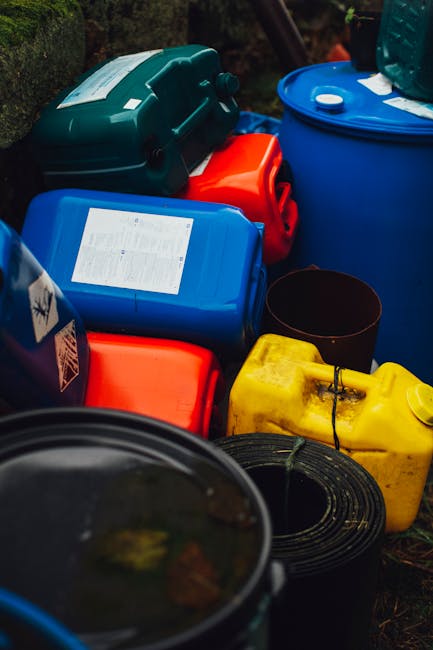
Hazardous rubbish disposal rules in Valleyton what to follow
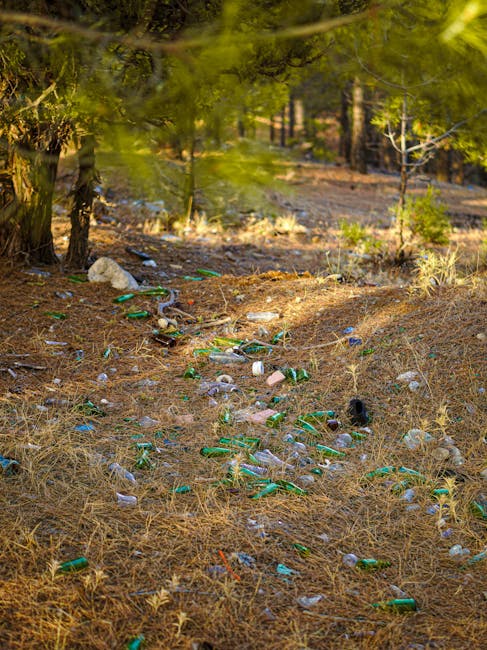
If you are dealing with paint tins, solvents, old chemicals, batteries, fluorescent tubes, or something nastier that has been sitting in the shed for too long, the rules can feel annoyingly unclear. That is exactly why this guide on Hazardous rubbish disposal rules in Valleyton what to follow matters. The goal is simple: help you keep people safe, avoid contamination, and handle disposal properly without turning a bad weekend job into a bigger problem.
Hazardous waste is not just "messy rubbish". It can burn, leak, corrode, poison, react with other materials, or create fumes. In a busy household, shop, office, or trade setting, it is easy to miss one item and throw the whole load off. Truth be told, that is where most mistakes happen. This article walks through what counts as hazardous rubbish, how disposal typically works in the UK, what practical steps to follow in Valleyton, and when it makes more sense to use a specialist service rather than guessing.
Why Hazardous rubbish disposal rules in Valleyton what to follow Matters
Hazardous rubbish rules matter because the wrong item in the wrong bin can create more than a nuisance. It can affect collection crews, neighbours, cleaners, and anyone handling the waste after you. A half-full container of solvent that looks harmless enough on a shelf can become a serious issue once it is tipped, mixed, or crushed. That is the core reason local disposal rules exist: to stop dangerous materials entering ordinary waste streams.
In a place like Valleyton, where people may be clearing homes, managing small businesses, or doing renovation work, hazardous items show up in ordinary situations. A leaking aerosol in the garage. Old tins of paint after a room refresh. A broken fridge in the corner. Even a stack of used batteries in a drawer. None of it feels dramatic in the moment, but one careless move can cause fumes, fire risk, or pollution. And nobody wants that on a Tuesday afternoon.
There is also a practical side. Following the rules can save time and hassle later. If you separate materials properly, label them sensibly, and choose the right route for disposal, collection becomes easier and safer. You are less likely to be turned away, charged extra unexpectedly, or told to sort everything again. That part is boring, yes, but it is the boring bit that keeps jobs moving.
Expert summary: hazardous rubbish should be identified early, kept separate, stored safely, and passed to the correct disposal route. If you are unsure, treat it as hazardous until it is checked properly.
How Hazardous rubbish disposal rules in Valleyton what to follow Works
Most hazardous waste disposal follows a simple logic: identify, segregate, contain, move, and hand over. The exact route depends on the item, its quantity, and whether it comes from a household or a business. That sounds technical, but in practice it is usually about common sense and careful handling.
First, identify the waste. Ask yourself what the material actually is, not what it looks like. A can may be empty enough to seem harmless, but if it still contains pressurised propellant or residue, it can stay hazardous. The same goes for batteries, oily rags, bleach, pesticides, adhesives, and anything with warning symbols.
Next, keep it separate. Hazardous rubbish should not be mixed with general waste, recycling, or food waste. A lot of problems start here. Mixed loads are harder to process, sometimes unsafe to transport, and may be rejected altogether. Keeping materials separate also helps if one item leaks or reacts. One small spill in a sealed bag is bad enough; a mixed bag of unknowns is worse.
Then, contain it properly. Use the original container if it is safe to do so, or place the item in a compatible sealed container. Keep lids tight, labels visible, and containers upright. If you have ever opened a garage after a warm spell and caught that sharp chemical smell, you already know why this matters. Ventilation matters too, especially indoors.
After that, arrange the correct disposal method. For households, this may involve a council-run collection, a household waste facility, or a specialist removal service. For businesses, there is usually more record-keeping and duty-of-care responsibility involved. In many cases, a waste carrier with experience in hazardous loads is the safer route. If you are also clearing non-hazardous items at the same time, a broader service such as waste removal may help separate the ordinary rubbish from the riskier stuff.
Finally, hand over the waste with the right information. Labels, descriptions, and any known hazards help the collector decide how to handle it. If you know the product name, keep it. If not, describe the item honestly. "Old white paint in a metal tin, partly used" is far more useful than "random stuff in a bucket".
Key Benefits and Practical Advantages
Following hazardous rubbish rules is not only about compliance. It makes the entire clear-out smoother. A safe, ordered approach reduces last-minute panic and the classic "where did we put that one dodgy bottle?" moment that seems to appear right before collection day.
- Safety: fewer chances of burns, fumes, cuts, leaks, or fire.
- Cleaner handling: waste is easier to move without contamination.
- Less disruption: collections are less likely to be delayed or refused.
- Better segregation: recyclable items stay recyclable where possible.
- Lower risk of fines or complaints: especially for business waste.
- More peace of mind: you know the job has been done properly.
There is a quieter benefit too. Good waste handling simply makes spaces feel safer. A tidy loft, garage, office store room, or utility cupboard stops nagging in the back of your mind. You know the place is under control. That matters more than people admit.
For businesses, the advantage is even clearer. Staff are less exposed to harmful materials, and managers are better placed to show that waste was handled responsibly. If hazardous rubbish sits around too long, it can create operational headaches, bad odours, or blocked access. Not ideal when the premises already feel tight on space.
Who This Is For and When It Makes Sense
This guidance applies to a wide range of people in Valleyton. You do not need to be dealing with industrial chemicals for hazardous waste rules to matter. In everyday life, the same principles crop up in homes, flats, gardens, offices, shops, workshops, and building projects.
- Homeowners: clearing sheds, garages, lofts, or after decorating.
- Landlords and letting agents: removing abandoned chemicals, batteries, or damaged appliances.
- Tradespeople: dealing with adhesive tubs, sealants, solvents, oils, and chemical packaging.
- Office managers: disposing of toner, batteries, fluorescent tubes, and electronic waste.
- Retail or hospitality businesses: handling cleaning products, aerosols, and storage-room clearances.
- Anyone doing a deep clear-out: especially when there are old items with unknown contents.
It makes sense to stop and assess the waste if you spot warning labels, strong odours, stains, bulging containers, or anything that has been stored for years. A cracked tub of weed killer in the garden shed is not something to casually toss in with bags of leaves. Same with a leaky tin of paint hidden behind old plant pots. You get the idea.
If the items are numerous, mixed, or awkward to move, a professional collection is often the calmer choice. That is especially true when hazardous rubbish is only part of a larger clear-out. For example, a house clearance or garage clearance might include ordinary clutter, furniture, and a small amount of hazardous material. In that case, separate the dangerous bits and keep the rest for the appropriate service such as house clearance or garage clearance.
Step-by-Step Guidance
If you want a practical route through the process, use this sequence. It is simple, but simple is good here.
- Pause and inspect each item. Look for hazard symbols, strong smells, leaks, rust, residue, or pressure.
- Sort waste by type. Keep liquids, batteries, aerosols, chemicals, and electrical items apart where possible.
- Check whether the item is still usable. If not, do not attempt to open, pour out, or decant unknown contents.
- Seal and label containers. Keep lids on tight and mark them with broad descriptions if needed.
- Store the items safely. Keep them cool, dry, upright, and away from heat or ignition sources.
- Decide on the disposal route. Household drop-off, local collection, or specialist removal may be the best fit.
- Prepare access for collection. Make sure the items are easy to lift and reach without squeezing through a narrow hallway with a drum of unknown liquid. That is a bad afternoon waiting to happen.
- Hand over with clear information. Tell the collector what each item is and whether anything leaks, smells, or appears unstable.
If you have mixed items from a loft clear-out or home renovation, it may help to separate the hazardous materials before booking the main removal. That way the team can deal with the ordinary load efficiently. Services like loft clearance or home clearance can be a sensible fit for the non-hazardous part of the job.
One small but important point: do not transfer unknown chemicals into food or drink containers. It sounds obvious. Still happens, though. And it is the kind of mistake that causes real confusion for everyone later.
Expert Tips for Better Results
The best hazardous waste jobs are usually the dullest ones from the outside. Everything is labelled, nothing leaks, and the collector does not have to play detective. Here are a few habits that make a proper difference.
- Keep the original label whenever possible. It often carries the most useful safety information.
- Separate sharp items from liquids. Broken glass, syringes, blades, and chemical containers should never sit loose together.
- Store items out of sunlight and away from heat. Warm conditions can increase pressure, fumes, and instability.
- Use trays or tubs for secondary containment. A simple plastic tub can catch a small leak before it spreads.
- Take photos before moving anything. Handy if you later need to describe what you had or check labels.
- Do not overfill bags or boxes. Heavy or bulging containers are awkward and risk splitting.
A practical tip from real-life clear-outs: work from the most stable items to the most awkward ones. If there is a shelf of mixed bits in a garage, remove the clearly safe objects first so the risky materials are easier to reach and assess. Small win, but a useful one.
It also helps to be honest about uncertainty. If you do not know what a substance is, say so. Guessing is usually how people make unsafe decisions. Nobody wins a prize for bravely identifying a mystery drum by smell. Let's not do that.
Common Mistakes to Avoid
Most hazardous rubbish problems come from a handful of repeated mistakes. Once you know them, they are easier to avoid.
- Mixing hazardous and non-hazardous waste: this is one of the quickest ways to create contamination.
- Leaving containers open: open tubs, cracked lids, and loose caps can lead to spills or vapour release.
- Ignoring "nearly empty" items: a tin that seems empty may still hold residue, pressure, or fumes.
- Putting everything into one black bag: convenient, yes. Safe, no.
- Storing waste next to heat sources: heaters, boiler cupboards, and direct sun can make conditions worse.
- Trying to hide hazardous items in general rubbish: this creates safety issues and can lead to rejection.
- Forgetting about batteries and small electronics: they are often overlooked, then discovered at the end in a drawer full of cables and old chargers.
There is also the "I'll deal with it later" mistake. A day or two is one thing. Months is another. If the item is hazardous, put a plan in place sooner rather than letting it sit around in a corner gathering dust and bad intentions.
Tools, Resources and Recommendations
You do not need a huge kit to deal with hazardous rubbish safely, but a few basic tools help a lot. Think of this as a low-drama preparedness list.
- Heavy-duty gloves: for handling dirty or potentially sharp containers.
- Safety glasses: useful if there is any chance of splash or dust.
- Sealable tubs or bins: for containment during sorting.
- Labels and marker pens: to note contents clearly where needed.
- Absorbent material: helpful for small leaks if appropriate and safe to use.
- Trolley or sack truck: if containers are heavy and need controlled movement.
- Plastic sheeting or trays: to protect floors during staging.
For broader support, it can help to use services that already handle waste carefully and maintain clear procedures. If you are managing confidential documents alongside waste, confidential shredding may be part of the same tidy-up. If the project involves appliances, then fridge and appliance removal is relevant, especially because appliances can contain components that should not go out with normal rubbish.
Where the clear-out includes furniture or mixed clutter, the job may feel simpler if handled as one coordinated removal rather than several small ones. That can be especially useful in offices, flats, or homes with limited access. In practice, one well-planned visit often beats three half-finished ones. It is less glamorous, sure, but far less stressful.
Law, Compliance, Standards, and Best Practice
Hazardous waste in the UK is governed by duties and expectations around safe handling, storage, transfer, and disposal. The exact obligations depend on whether you are a household, landlord, contractor, or business. Because rules can differ by location and waste type, the safest approach is to follow current local guidance and the instructions given by your chosen waste provider.
For businesses, the duty of care is especially important. In plain English, that means you remain responsible for waste until it is transferred to an authorised party and handled properly. Records, descriptions, and careful selection of a waste carrier all help demonstrate responsible practice. If you generate hazardous waste regularly, keeping simple logs is a wise habit, not an overkill one.
Best practice usually includes the following:
- Correct identification: know what the waste is before it moves.
- Safe storage: keep hazardous items secure, upright, and separate from general waste.
- Appropriate transport: use a collector suited to the waste type.
- Transparent handover: provide accurate descriptions and any warnings.
- Documented disposal: keep evidence where required for business or commercial waste.
It is also good practice to train staff or household helpers on what counts as hazardous. A quick explanation can stop a lot of confusion. If you have ever watched someone toss batteries into a mixed recycling bin with total confidence, you already know why clear guidance matters.
For projects involving bigger waste streams, it can be useful to compare specialist services with general rubbish removal. Hazardous items usually need extra caution, while ordinary waste may suit a standard collection. If you are budgeting, the page on pricing and quotes can help set expectations for structured removal work, while health and safety policy is a useful signal that safety is treated seriously.
Options, Methods, or Comparison Table
Choosing the right disposal route depends on the amount of waste, the type of item, and how quickly you need it gone. Here is a simple comparison to make the decision clearer.
| Disposal method | Best for | Strengths | Watch-outs |
|---|---|---|---|
| Household drop-off or local facility | Small, well-identified household items | Often suitable for minor quantities; good for sorting small loads | May require transport and careful checking of accepted materials |
| Specialist hazardous waste collection | Unknown, bulky, leaking, or higher-risk items | Safer handling; better for awkward loads; less guesswork | May cost more than DIY options |
| Mixed waste clearance with separation | Projects with both hazardous and ordinary rubbish | Convenient when part of a bigger clear-out | Hazardous items still need segregating before collection |
| Trade or business waste route | Regular commercial waste streams | Useful for recurring disposal; supports record-keeping | Requires clear internal procedures and proper documentation |
If you are clearing an office, workshop, or storage room, the method often comes down to volume and complexity. A few batteries and a box of old toner cartridges are one thing. Several containers of chemicals or oils are another. In the latter case, a dedicated approach is the smarter route, no question.
Case Study or Real-World Example
Imagine a small property in Valleyton after a long-overdue garage clear-out. There are old decorating tins, a cracked bottle of bleach, a box of mixed batteries, two aerosol cans, a rusted metal cabinet with unknown residue, and the usual clutter: broken chairs, cardboard, and a couple of appliances. Nothing dramatic at first glance. Just one of those jobs that grows arms and legs as soon as you start moving things.
The best outcome comes from splitting the load early. The ordinary furniture and cardboard can be handled as standard clearance, while the hazardous items are set aside in sealed containers and labelled. The aerosol cans stay upright, the bleach bottle goes into a secondary tub, and the batteries are bagged separately. The owner photographs everything before collection, then books a service that can take the mixed waste while keeping the hazardous items isolated.
That approach avoids three common problems: contamination of recyclable material, unsafe handling during lifting, and confusion about what the collector is picking up. It also keeps the garage job moving instead of becoming a weekend-long argument with old tins and a damp smell. Been there, or at least close enough.
In a similar way, an office clear-out might include toner cartridges, batteries, confidential paper, and broken electronics. Sorting those items properly before booking removal makes the whole process feel calmer and more professional. Small detail, big difference.
Practical Checklist
Use this checklist before you arrange disposal. It is simple, but it catches the usual headaches.
- Have you identified every hazardous item?
- Are containers sealed and upright?
- Have you kept items separate from general waste and recycling?
- Do you know whether the items are household, trade, or business waste?
- Have you checked for leaks, smells, bulging containers, or damaged packaging?
- Have you stored the waste away from heat, flames, and moisture?
- Do you know the safest route for disposal or collection?
- Have you labelled anything unclear?
- Are access routes clear for lifting and removal?
- Have you kept any relevant paperwork or photos?
Quick sanity check: if you would not comfortably carry the item across a room with both hands, do not make it a last-minute guessing game. Slow down and sort it properly.
Conclusion
Hazardous rubbish disposal rules in Valleyton what to follow are not complicated once you break them down. Identify the item, keep it separate, store it safely, and use the right disposal route. That is the heart of it. Most problems happen when people rush, mix materials, or assume "it'll probably be fine". Usually, it isn't.
If you are handling a small household clear-out, a garage full of old products, or a business space with chemicals and mixed waste, the sensible move is the same: pause, sort, and choose the correct path. That saves time, reduces risk, and makes the job feel manageable rather than messy. And honestly, that is half the battle.
Get a free quote today and see how much you can save.
When you handle hazardous waste with care, you are not just getting rid of rubbish. You are making the space safer for everyone who uses it. That is a good feeling, plain and simple.
Frequently Asked Questions
What counts as hazardous rubbish in a typical Valleyton home?
Common examples include old paint, solvents, cleaning chemicals, pesticides, batteries, aerosols, fluorescent tubes, and some electrical items. If something can leak, burn, corrode, or give off harmful fumes, treat it carefully until you know more.
Can I put hazardous waste in normal household bins?
No, not if it is genuinely hazardous. General bins and recycling collections are not designed for dangerous substances. Mixing them can create safety problems for collectors and can contaminate other waste.
What should I do if a container is leaking?
Keep it upright if that can be done safely, isolate it from other waste, and place it in a compatible secondary container if available. Avoid handling it more than necessary and arrange prompt removal. If the leak seems active or the material is unknown, stop and get professional advice.
Are empty paint tins still treated as hazardous?
Sometimes, yes. Even when a tin looks empty, residue may remain. The safest approach is to check the item carefully rather than assuming it is harmless. A dry tin is very different from one with liquid residue or strong fumes.
Do businesses have stricter duties than households?
Usually, yes. Businesses typically need better records, more careful segregation, and clearer waste transfer procedures. The practical expectation is that waste is identified properly and passed only to the right handler.
Is it better to book a specialist collection or take items myself?
It depends on the amount, the type of waste, and how stable it is. Small household items may be manageable through local facilities, while mixed, bulky, or risky materials are often better handled by a specialist collection. If you are unsure, specialist help is usually the safer bet.
What happens if hazardous rubbish is mixed with normal waste?
It can create contamination, increase handling risk, and sometimes lead to rejection of the whole load. In some cases, you may need to re-sort the waste before it can be accepted. Not ideal, and a bit of a headache.
How should I store hazardous rubbish before collection?
Keep it sealed, upright, cool, dry, and away from heat or ignition sources. Separate incompatible items and keep labels visible where possible. A tidy, sheltered spot is much better than a crowded corner in the sun.
Can I combine hazardous rubbish with furniture or ordinary clutter in one clearance?
You can often arrange them as part of the same overall project, but hazardous items should still be separated and identified clearly. Ordinary waste like furniture or general clutter can be handled alongside it through services such as furniture disposal or house clearance.
How do I know if an item is too risky to move myself?
If it is leaking, pressurised, heavily contaminated, unusually heavy, strongly odorous, or unknown, do not treat it casually. When in doubt, keep handling to a minimum and seek a professional solution rather than forcing the issue.
What records should a business keep for hazardous waste?
Businesses should keep clear information about what was disposed of, when it was removed, and who handled it. Exact record requirements vary by situation, but basic documentation is a sensible habit and often a practical necessity.
What is the simplest first step if I have mixed waste and hazardous items?
Start by separating the hazardous materials from everything else. That one action makes the rest of the process much easier. Once the risky items are isolated, the ordinary waste can be planned and removed without unnecessary complications.